
#21:Green, conservative, esoteric
How did the Greens get so big in Baden-Württemberg?

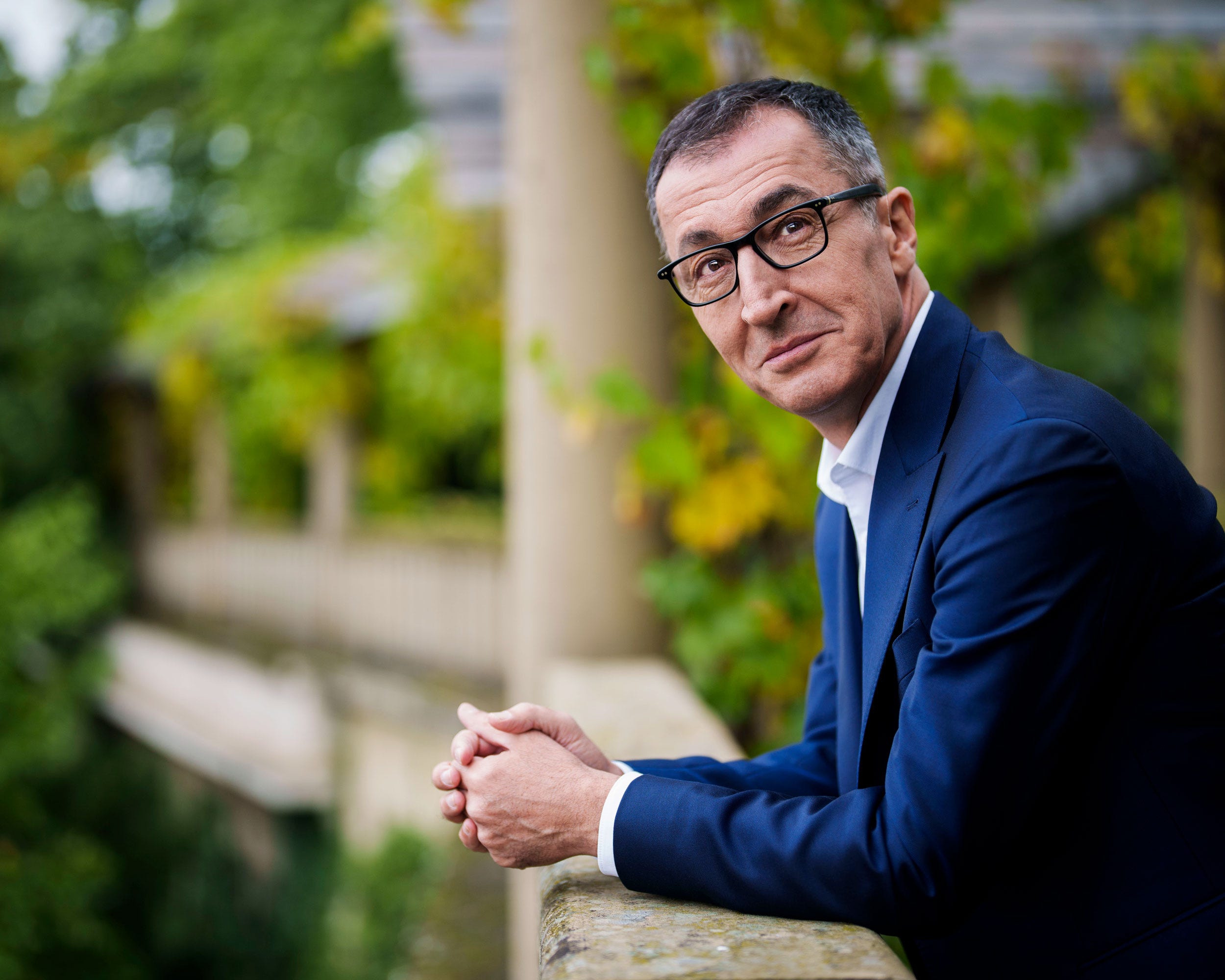
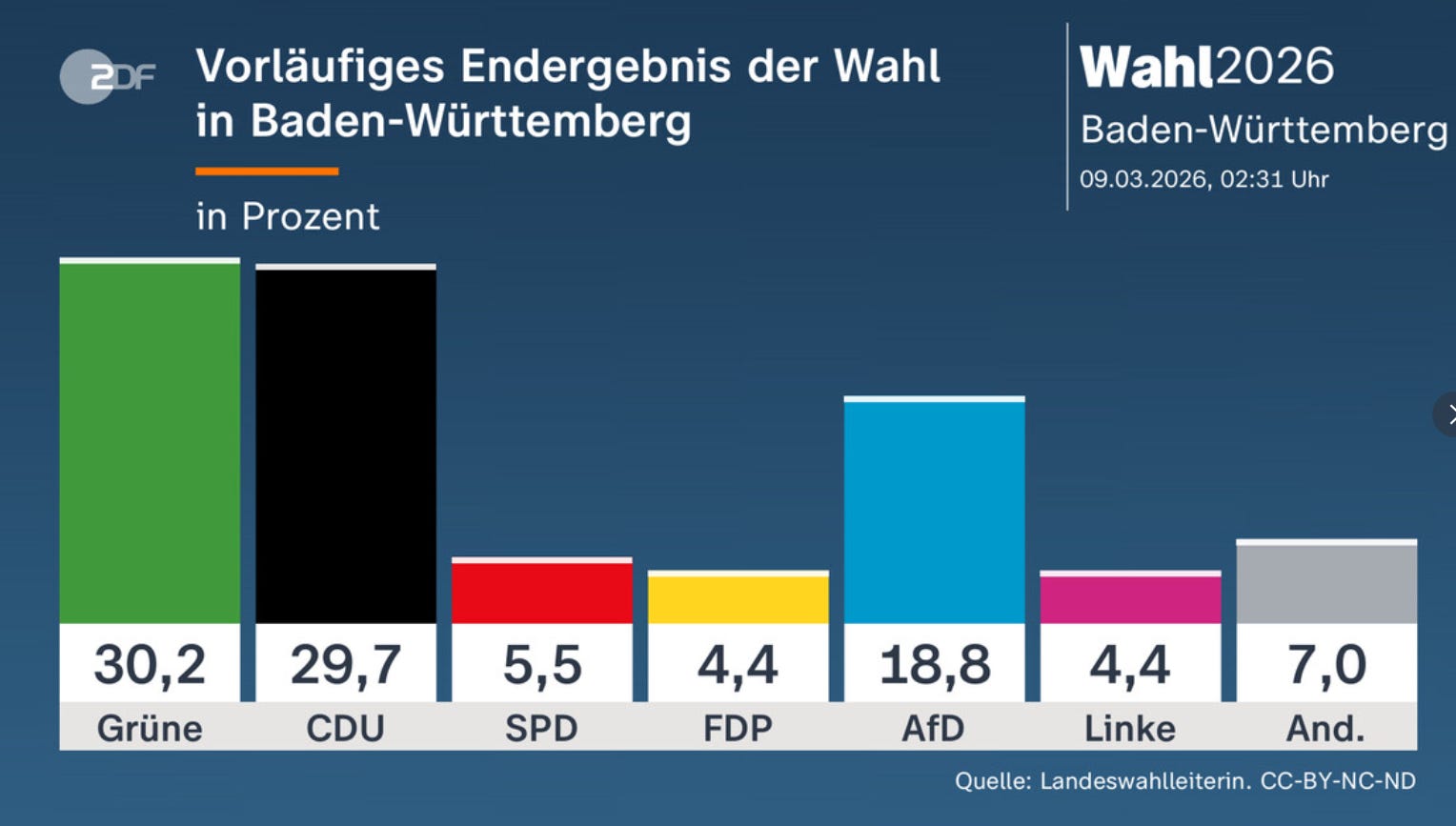
Last Sunday, in the southwestern state of Baden-Württemberg, Green politician Cem Özdemir won the state election, with his party, Die Grünen scraping ahead of Friedrich Merz’s CDU. It looks like the Greens will be the senior partner in a coalition with the CDU, with Özdemir at the helm. The election was so close, the two parties will get the same number of seats in the state parliament. The CDU is going to drive a hard bargain in negotiations.
Özdemir, the son of Turkish “guest workers” (Gastarbeiter) who moved to Baden-Württemberg in the 1960s, is a charismatic, nationally known politician who served as agriculture minister in Olaf Scholz's “traffic light” government.
He surely benefited from the “deer eyes” or “doe eyes” scandal surrounding his CDU competitor Manuel Hagen. In a 2018 video interview posted by another local Green politician two weeks before the election, Hagen describes a visit to a school class of “80% girls” as such:
“There are worse appointments than this for 29-year-old MPs.” And then, referring to a particular schoolgirl, Hagen said: “I’ll never forget the first questioner. Her name was Eva, she had brown hair and doe eyes.”
Just sexist and creepy and possibly enough to dissuade some voters to ditch the CDU candidate, who was expected to win easily.
Özdemir also profited from the solid reputation of his predecessor, premier Winfried Kretschmann, who has led Baden-Württemberg for 15 years. The only Green politician to ever run a German state.
You might be thinking: How could the Greens win here? Isn’t Baden-Württemberg a conservative place, famous for thrifty Swabian housewives, extreme cleanliness and being the heart of Germany’s mighty car industry?
Jein. This is a conservative place. But it’s also a very Green place. To understand this apparent contradiction, let’s look at a few aspects of the unique cultural and political history of the region.
🪶 from our sponsor 🪶
Renting in Germany is stressful enough - especially when a small mistake could cost you your deposit. A scratch on the floor or a scorched stovetop? Those little mishaps add up fast. That’s why 85% of people here have personal liability insurance - it’s practically the golden rule of renting.
For just €4.94 a month, Feather covers up to €50 million in damages, including accidental damage to your flat. 100% digital, in English, and managed through an easy-to-use app. It’s a small price to keep your landlord happy - and your savings protected.
The home of Waldorf
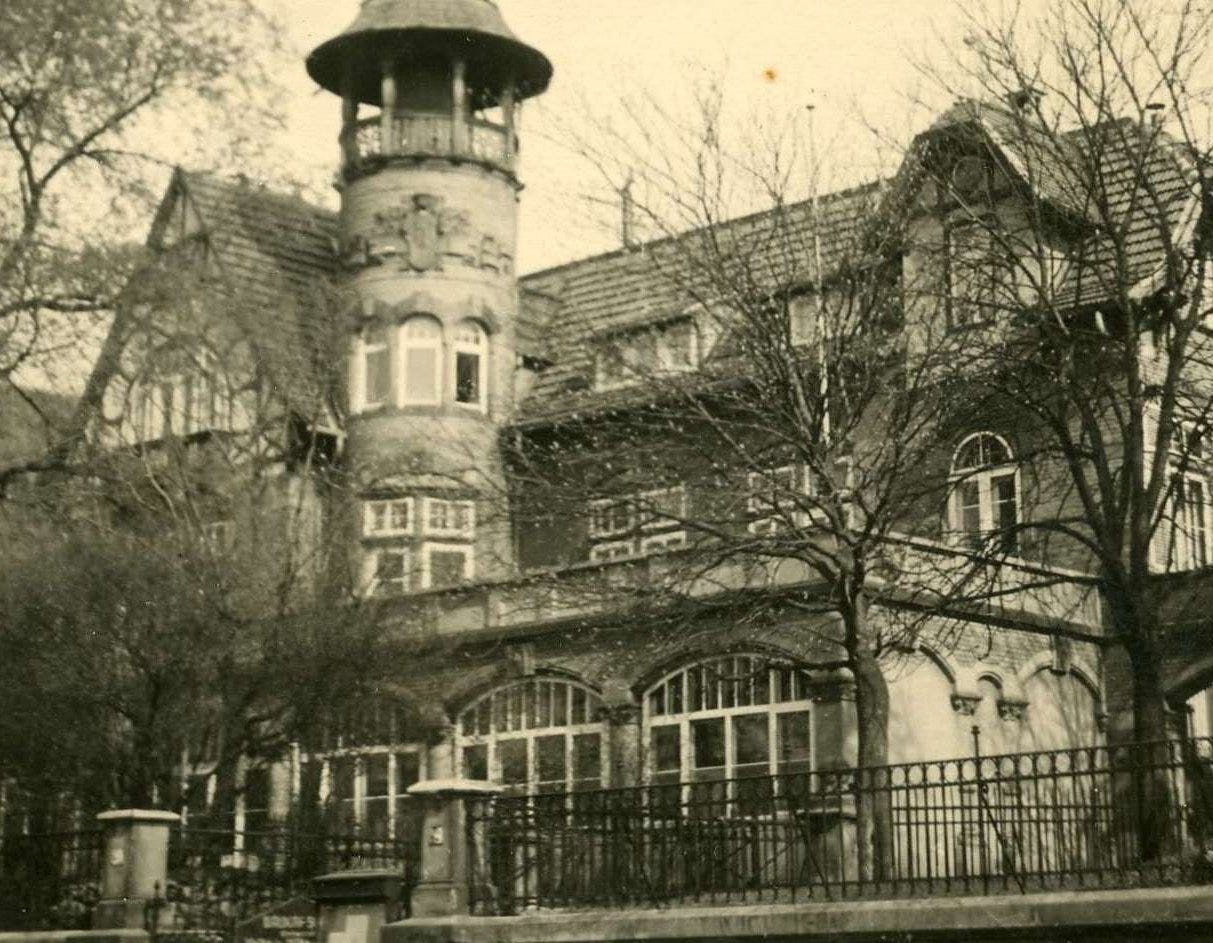
As far as I can tell, some of Baden-Württembergers’ proclivity for Green politics and environmentalism stems from the century-old presence of Anthroposophy, the philosophy and spiritual movement founded by Austrian thinker Rudolf Steiner in the early 20th century. It’s hard to describe Anthroposophy in a few words — suffice to say that it’s a philosophy with deep links to German idealism that emphasises humanity’s spiritual connection to nature. Steiner developed “biodynamic”, organic farming methods, a system of alternative medicine and a system of education.
The world’s first Steiner school was opened at Stuttgart’s Waldorf-Astoria Cigarette Company, of all places, in order to educate the workers’ children. “Waldorf” schools have since opened up around the world but Baden-Württemberg still has more than any other German state.
The Waldorf education system and Steiner’s other teachings were, it seems, a reaction to various problems caused by industrialisation. To outsiders, this system of thought can appear highly irrational — kids perform esoteric dances (Eurythmy), farmers bury cow horns to regenerate soil. In this scene and adjacent New Age subcultures, herbal teas and homeopathic globuli are viable alternatives to mainstream “school medicine”.
Fertile ground, so to speak, in which the environmentalist Greens would take root decades later.
Nuclear? Nein Danke!
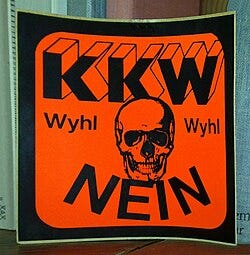
A major milestone in the growth of the modern Greens was the massive citizen protests again the Wyhl nuclear power plant, a project that was announced for the banks of the Rhine in 1973.
Environmentalists joined forces with more conservative rural residents like farmers and winegrowers. By 1975, the movement successfully prevented the construction of the plant — wind in the sails of the anti-nuclear activists. Eventually, that wind (as well as the Chernobyl and Fukushima accidents) would propel the total shutdown of all nuclear power in Germany, an irrational decision seen from the perspective of 2026.
The Baden-Württemberg chapter of Die Grünen formed in 1979, and the party won 5.3% in the 1980 state election. In the 1983 national election the state sent five representatives to the Bundestag in the then West German capital, Bonn.
Enter Winfried Kretschmann. After a youthful flirtation with communist groups in the 1970s, the practicing Catholic schoolteacher joined the Greens in the 1980s. He represents the more conservative or “realo” wing of the party, in opposition to the “fundi” wing.
He rose through the ranks to become state premier in a government with the SPD in 2011 and has ruled ever since. In 2016, Kretschmann switched to a “green-black” coalition with the CDU — a first in Germany history.
For a Green, he’s pretty conservative: He’s supported stricter asylum rules; he opposes the use of gender-inclusive language in schools. Recently, Kretschmann’s government allowed the state police to sign a €25 million contract for surveillance software with controversial US firm Palantir.
Querdenker
A century after the foundation of the Waldorf school, Baden-Württemberg remains a hotbed of alternative healing, New Agey vibes and …. anti-vaxxers.
During the corona pandemic, it’s no coincidence that the Querdenker (“lateral thinkers”) was founded by a Stuttgarter, Michael Ballweg.
These hardcore corona skeptics attracted folks from across the political spectrum: Green-adjacent fans of alternative healing, anti-vax people, AfD supporters and conspiracy theorists of every stripe.
While the culture war that emerged from the pandemic is slowing fading, Baden-Württemberg remains the German state with the the strongest Green party and the western German state with the strongest support for the AfD (18.8% in Sunday’s election). The CDU still attracts a third of voters, but the traditional centre-left, the SPD (5%), has shrivelled to insignificance.
In 2026, leftwing Greens in Berlin and elsewhere push for higher taxes on the rich but Özdemir’s party in the southwest avoids such topics and seems shaped by a curious blend of traditional values, pragmatism and a large dose of skepticism about the role of the state in our lives.
Thanks for reading!
Maurice
What else happened this week?
✈️ Trump praises Merz for letting US military operate from Ramstein base in the Iran War
👩⚖️ Hezbollah member jailed in Germany
💰 Money-Saving Tip of the Week from Smart Living in Germany
A tax perk many people overlook: help around the house is tax-deductible in Germany. Services like cleaning, gardening, babysitting, window washing, or snow removal count as haushaltsnahe Dienstleistungen, and you can deduct 20% of the cost, up to €4,000 per year. Skilled trades (plumbers, painters, heating repairs) also qualify, with 20% of labor costs deductible up to €1,200. So if a cleaner charges €20 per hour, the effective cost after the tax deduction is closer to €16.
Two rules matter: you need a proper invoice, and the payment must be by bank transfer or card – cash doesn’t count. If you’re looking for help, platforms like Helpling is an easy place to start, and you can often get discounts as a new customer. If you’d like to explore what else is tax-deductible in Germany, these guides from Smart Living in Germany go deeper into the topic: Tax Deductions in Germany: Part 1 and Part 2.
My other newsletters:
Friends:
Herzlichen Dank for this.
The historical and cultural context is vital and has been completely absent from Anglophone commentary (and far from common in German, either).